
Sustainability During Peak Season: What the High Season Can Teach Us About Our Hotel
News
June 25, 2026


There's something interesting that happens during peak season. While attention tends to focus on occupancy, check-ins, check-outs, or the guest experience, the property is generating more data than at any other time of the year.
More guests mean increased activity in housekeeping, food and beverage, laundry, maintenance, and virtually all operational areas. That is precisely why peak occupancy months offer a unique opportunity to see how a hotel really operates.
Not from a planning perspective, but from the reality of everyday life.
As activity increases, visibility also increases
Sustainability takes on a much more tangible dimension during these months; it is reflected in the way resources are used, teams are coordinated, and decisions are made in an environment of peak operational intensity. For this reason, summer can be one of the best times to analyze an organization’s ESG (Environmental, Social, and Governance) performance.
Not because new challenges arise, but because everything happens on a larger scale, making it easier to identify trends, behavior patterns, and opportunities for improvement that might go unnoticed at other times of the year.
What the Peak Season Reveals About Environmental Performance
The environmental impact is probably most noticeable during periods of peak occupancy. Energy consumption, water use, laundry activity, and waste generation all increase. However, beyond the absolute figures, what is truly interesting is understanding how these indicators change in relation to the facility’s actual activity.
Does consumption grow in proportion to occupancy? Are there significant differences between departments or services? Which measures are yielding the best results?
The peak season provides valuable information for answering these questions and gaining a deeper understanding of the hotel's environmental performance.
What the High Season Reveals About People
Sustainability also has a social dimension that takes on special significance during the busiest months. Hiring additional staff, coordination among teams, ongoing training, internal communication, and employee well-being are all aspects that become even more important when operations intensify.
It is precisely during these periods that an organization’s ability to integrate new professionals, maintain a consistent work culture, and ensure that all departments move forward with shared goals becomes evident. This is because many of an organization’s sustainability commitments depend on the people who make them possible every day.
What the Peak Season Reveals About Management
There is a third important dimension: governance. And during the busiest months, the organization’s ability to coordinate is put to the test: relationships with suppliers, tracking objectives, document management, and decision-making based on up-to-date information are all part of this dimension.
As operational complexity increases, so does the need for clear processes, defined responsibilities, and a shared vision across departments. It is not just a matter of managing a higher volume of activity, but of staying on course as the organization evolves at a faster pace.
Understanding the Big Picture
One of the key lessons from the peak season is that the various aspects of sustainability are much more interconnected than they seem. Operational decisions have environmental consequences. The way teams are organized directly influences results. And the ability to monitor and coordinate determines whether established goals are met.
For this reason, hotels are seeking to jointly analyze ESG (environmental, social, and governance) indicators—not to generate more information, but to gain a more comprehensive view of their performance, better understand what is happening, and make more informed decisions.
From Observation to Management
The peak occupancy months provide a particularly accurate snapshot of how the hotel actually operates. Leveraging this information allows us to identify opportunities for improvement, reinforce what is already working well, and prepare for future seasons with a more comprehensive view of the business.
Tools such as the Bioscore Data Platform help centralize environmental, social, and governance metrics, providing a comprehensive view of ESG performance and supporting data-driven decision-making—because when operations are at their peak, understanding what is happening can be just as valuable as managing it.
If your hotel is working to improve its ESG management or wants to move toward a more data-driven management model, we can help you organize that information, turn it into useful insights, and transform it into decisions that make a real difference. Contact us!
Read more

News
Roiback Receives Its Sixth Consecutive Award as the World's Best Hotel Booking Solutions Provider
By
Roiback
News
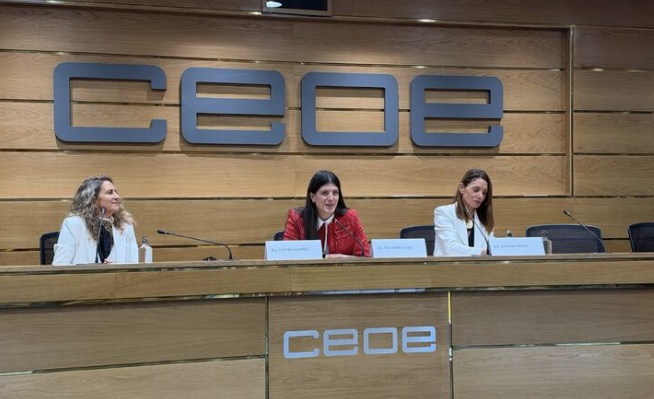
Roiback Participates in the Conference “The Balearic Islands: A Land of Opportunities for Strategic Projects” at the CEOE
By
Roiback

News
Roiback integrates DirectBooker to connect the direct channel with AI assistants
By
Roiback


