
Hotel Reopening: A Checklist of Operational Adjustments for the Entire Season
News
April 21, 2026
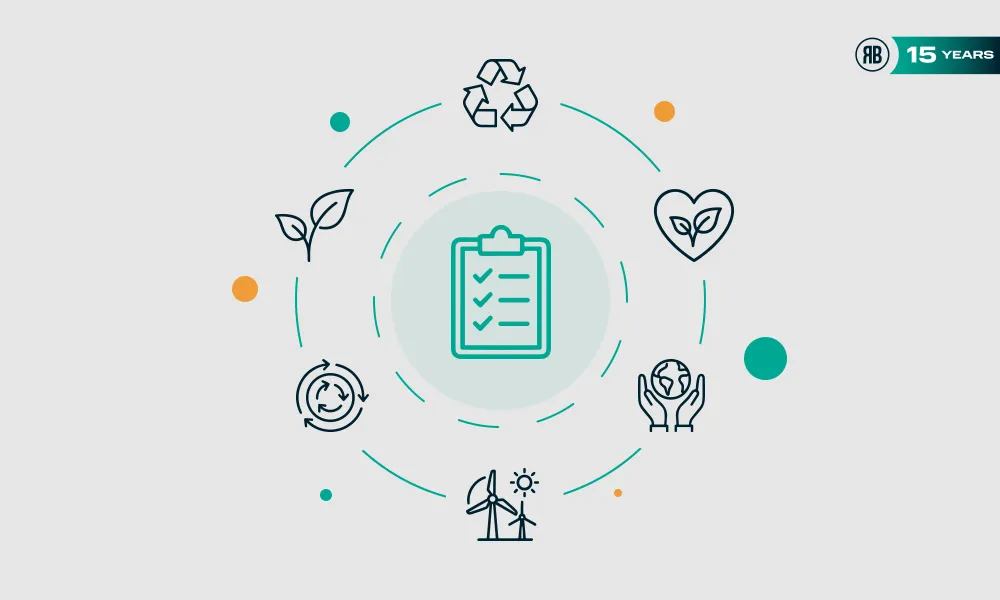

When a hotel reopens after a period of closure, the priority is clear: get operations up and running and get back on track as quickly as possible. The staff returns, the systems are activated, and the first guests begin to arrive.
But there’s one thing that often gets overlooked in those early days: how consumption, processes, and resources are actually performing in day-to-day operations.
Because sustainability and efficiency aren't determined during the planning phase, but rather by what happens once the hotel reopens.
The first few days aren't about getting everything perfect, but about observing carefully, identifying any issues, and making adjustments in a timely manner.
A key moment for fine-tuning, not for starting over
The first few weeks after reopening don't determine the performance of the entire season, but they do point to important trends.
It is common to find:
- energy consumption that does not reflect actual occupancy
- systems operating in a vacuum or without fine-tuning
- processes that are gradually resumed
- teams that are still getting back into the swing of things
That’s why, rather than making major changes, this is a critical time to assess, understand, and adjust.
Checklist: 11 Key Points to Review After Opening
Rather than tasks, these are checkpoints that help us understand how the hotel is actually performing during these early days.
Energy and Systems
1. Tracking consumption from the start
Tracking energy, water, and fuel usage from day one allows you to identify deviations early on and establish a realistic baseline for operations.
2. Adjusting HVAC and lighting settings
Reviewing schedules, temperatures, and active zones helps prevent unnecessary energy consumption, especially in areas with low occupancy or that are still closed.
3. Testing of automated systems
Verify that sensors, timers, and automated systems respond correctly to actual occupancy.
Daily Operations
4. Waste management in real-world operations
By verifying how waste is being sorted in the kitchen, guest rooms, and common areas, we can identify quick, cost-free improvements.
5. Adjusting the food offerings
The first few days allow for refining demand forecasts and avoiding overproduction and food waste.
6. Housekeeping and Laundry
Optimizing loads, frequencies, and product usage can reduce consumption without affecting the guest experience.
Water and Resources
7. Monitoring Water Consumption
Identifying potential excesses in irrigation, swimming pools, or general use helps to quickly correct inefficiencies.
Customer experience
8. Guest Communication
Simple, well-integrated messages about sustainability can improve perceptions without disrupting the guest experience.
9. Sustainable Experience
Incorporating local or socially responsible options (suppliers, activities) enhances the value of the experience.
Management and coordination
10. Interdepartmental Coordination
Aligning standards across operations, maintenance, F&B, and housekeeping prevents inconsistencies and improves overall efficiency.
11. Review of suppliers and supplies
Comparing actual consumption with purchases allows you to adjust orders and avoid overstocking or inefficiencies.
From Operations to Decision-Making
Reviewing these aspects doesn't add complexity; rather, it provides insight into what is actually happening at the hotel.
This allows:
- allocate resources more precisely
- avoid cumulative deviations during the season
- improve control over operating costs
- make decisions with greater confidence
Once this data is collected and analyzed, it ceases to be part of day-to-day operations and becomes a matter of management.
Start with room for improvement
Reopening is not the end of the story, but rather the start of a new operating cycle. Taking advantage of these first few days to assess and make adjustments allows the rest of the season to unfold with greater control, efficiency, and consistency.
From Data to Management
For many hotels, the challenge isn’t just measuring data, but organizing all this information in a way that’s useful. Centralizing data on energy consumption, waste, water usage, and ESG (Environmental, Social, and Governance) indicators provides a better understanding of the hotel’s performance and facilitates decision-making at both the operational and executive levels.
In this context, solutions such as the Bioscore Data Platform make it possible to integrate all this information into a single system, providing a clear, structured, and comparable overview.
If your hotel is working to improve its ESG management or wants to move toward a more data-driven model, we can help you organize that information and turn it into actionable insights. Contact us!
Read more

News
Roiback Receives Its Sixth Consecutive Award as the World's Best Hotel Booking Solutions Provider
By
Roiback

News
Roiback Participates in the Conference “The Balearic Islands: A Land of Opportunities for Strategic Projects” at the CEOE
By
Roiback
News
Roiback integrates DirectBooker to connect the direct channel with AI assistants
By
Roiback


