
Environmental data in management committees: which indicators should a hotel review every month?
News
March 12, 2026
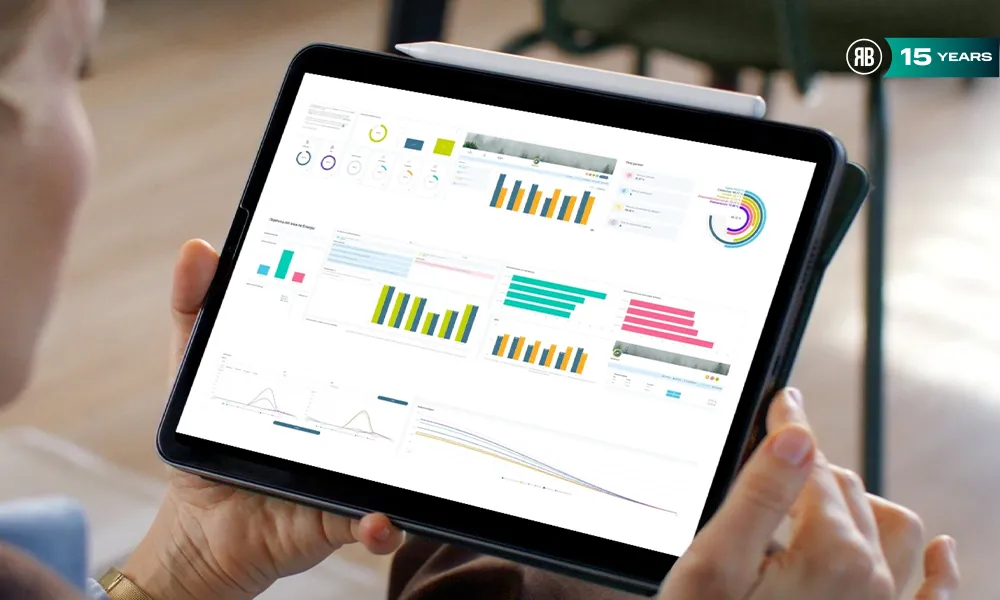

In many hotels, environmental data exists, but it does not always reach where it should. The maintenance team monitors energy consumption, the finance department reviews invoices, and operations manages waste. However, this information is rarely included in the indicators reviewed by the management committee.
And therein lies the problem. If environmental data is not analyzed as frequently as occupancy, RevPAR, or operating costs, it becomes difficult to identify opportunities for efficiency, anticipate regulatory changes, or respond to travelers' growing expectations and ESG (Environmental, Social, and Governance) criteria.
The question is no longer whether to measure environmental impact, but rather what data to review regularly in order to make decisions.
The challenge facing the sector: converting operational data into management indicators
Most hotels already collect environmental information. The challenge is to convert that data into clear, comparable, and useful indicators for management.
In many cases, the information is:
- distributed among different departments
- in different formats (invoices, Excel, technical reports)
- without comparable indicators between periods or hotels
Without a clear structure, data remains scattered: energy consumption on bills, water on different meters, waste managed by external suppliers, or ESG information in occasional reports. The result is common in the sector: lots of data available, but little visibility for decision-making. That is why more and more hotels are integrating environmental indicators into their dashboards, just like any other business metric.
Environmental indicators that should be reviewed monthly
There is no need to analyze dozens of metrics. A steering committee can gain a clear picture of the hotel's environmental performance by reviewing a few key indicators on a regular basis.
1. Energy per occupied room—one of the most useful indicators for understanding hotel efficiency.
- Measures kWh consumed per occupied room
- It allows you to detect inefficiencies in air conditioning, changes in consumption behavior, and the real impact of energy improvements.
2. Carbon emissions per stay— more and more hotels are measuring their climate footprint as part of their ESG goals.
- Measures kg CO₂e per occupied room
- It allows you to track the evolution of the climate impact of the hotel's carbon footprint and evaluate the effect of decarbonization measures.
3. Water consumption per guest—particularly relevant in tourist destinations with pressure on water resources.
- Measure the liters of water per guest per night.
- It is used to evaluate efficiency in laundry and housekeeping, the impact of cost-saving measures, seasonal variations, facilities, and maintenance.
4. Waste generated by guests - catering and hotel services generate significant volumes of waste.
- Measures kg of waste/guest/night
- It allows you to identify: food waste, excess packaging, opportunities for reduction.
5. Percentage of waste recycled - just as important as how much waste is generated is how much of it is recovered or recycled.
- Measures the percentage of waste recycled or recovered
- This data reflects the effectiveness of separation systems and collaboration with managers.
6. Complementary ESG indicators
- Hotel sustainability certification models also analyze other relevant dimensions, such as: responsible food and beverage (F&B) management, social impact and corporate responsibility, governance, and sustainable management.
- These areas complete the environmental vision and enable the hotel's sustainable performance to be evaluated comprehensively.
When environmental data enters the steering committee
Integrating these indicators into the hotel's monthly review has a clear effect: sustainability is no longer an annual report but becomes a business management tool.
This allows:
- identify opportunities for operational efficiency
- reduce energy and water costs
- anticipate regulatory changes
- improve the hotel's reputation
- communicate progress transparently to customers and investors.
In an increasingly competitive sector, environmental data is beginning to take its place alongside financial and operational indicators on the hotel's scorecard.
How to convert ESG data into useful information
One of the biggest challenges for many hotels is not measuring, but organizing and analyzing environmental information in a structured way. For hotels looking to integrate all their ESG data into a single management system, platforms such as the Bioscore Sustainability Data Platform allow them to centralize information on energy, water, waste, emissions, and social indicators, and transform it into comparable metrics for decision-making.
If your hotel is starting to structure its ESG management or wants to take the next step towards a more data-driven model, we can put you in touch with our partner Bioscore Sustainability, a consulting firm specializing in sustainability for tourism companies, to analyze how to integrate these indicators into hotel management. Write to us!
Read more

News
Roiback Receives Its Sixth Consecutive Award as the World's Best Hotel Booking Solutions Provider
By
Roiback

News
Roiback Participates in the Conference “The Balearic Islands: A Land of Opportunities for Strategic Projects” at the CEOE
By
Roiback

News
Roiback integrates DirectBooker to connect the direct channel with AI assistants
By
Roiback


