
Is your hotel using more energy and water than it should? 5 signs to help you find out
News
October 21, 2026


Sustainability can also help you improve your hotel's profitability. The key is knowing what to measure and how to interpret the data.
A hotel may be operating at full capacity and yet still be consuming more resources than necessary. Electricity, water, climate control, laundry, kitchens, and waste management are all expenses that directly impact its operating costs.
But how can we tell if that consumption is reasonable? How can we identify potential inefficiencies before they become a financial problem?
The answer lies in the data.
According to the report *Europe Market Spotlight – FY 2025*, prepared by Cushman & Wakefield and HotStats, total revenue for the European hotels analyzed grew by 3.3% in 2025, while their operating expenses increased by 3.9%.
These figures serve as a reminder of something important: increasing revenue alone does not guarantee a corresponding improvement in profitability. That is precisely why protecting margins is becoming increasingly important. Hotel profitability depends as much on maximizing revenue as it does on efficiently managing operating costs.
And this is where sustainability and operational efficiency begin to work together.
1. Energy consumption per overnight stay: Are you using more energy than necessary?
A hotel's total electricity consumption can increase as its occupancy rate rises. This makes sense: more occupied rooms mean greater use of air conditioning, lighting, and other services.
However, the truly interesting data emerges when we compare energy consumption with the number of overnight stays.
If two months have similar occupancy rates but electricity consumption per overnight stay increases significantly, there may be a deviation worth investigating.
Is the HVAC system working properly? Have there been any changes to the operating schedules? Is any equipment consuming more energy than usual?
Measuring kWh per overnight stay allows us to begin answering these questions and identifying opportunities for improvement.
In many cases, small deviations detected early on can prevent unnecessary costs for months.
2. Water Consumption Per Guest: Small Changes That Can Make a Big Difference
Guest rooms, laundry facilities, kitchens, swimming pools, and landscaped areas make water one of the essential resources for any hotel.
But knowing the total consumption isn't enough.
Analyzing the number of liters consumed per guest per night and comparing how that figure has changed over equivalent periods makes it possible to identify patterns that might otherwise go unnoticed.
An unexpected increase may be due to higher activity, but it could also be caused by leaks, inefficient equipment, or procedures that need to be reviewed.
The key is not to reduce water consumption indiscriminately, but to identify where water is used and how to optimize its management without compromising the customer experience.
3. Energy Cost Per Occupied Room: When Energy Consumption Affects Profitability
Two hotels may have similar energy consumption but incur very different costs.
Why?
Because energy costs, contract terms, seasonality, and the characteristics of the establishment also affect the financial results.
For this reason, in addition to measuring energy consumption, it is useful to correlate energy costs with the number of occupied rooms.
This indicator helps us understand how much energy accounts for in the facility's operations and how its economic impact is changing.
It’s important to remember that using less energy doesn’t always mean saving money in the same proportion. To calculate the actual savings, you also need to consider rates, fixed costs, and investments made.
What matters is not just spending less, but understanding how each decision affects the hotel's operating margin.
4. Waste Per Night: How Much Are You Wasting Without Realizing It?
Waste management is not just an environmental issue.
It is also related to the processes of purchasing, storage, food preparation, and the use of materials.
Measuring the waste generated per overnight stay and understanding its composition helps identify areas for improvement.
For example, analyzing organic waste can help in reviewing certain kitchen and food service processes, while tracking packaging and other materials can facilitate decisions related to purchasing and suppliers.
More efficient waste management can help both reduce the environmental impact and optimize certain operating costs.
5. How Does Revenue Compare to Occupancy: Is Your Hotel Really Improving?
This is probably one of the most interesting analyses for any hotel manager.
Let's imagine that a business manages to reduce its electricity consumption by 10% compared to the previous year.
At first glance, it seems like great news.
But what if, during that same period, the number of overnight stays has decreased by 20%?
In that case, total consumption has decreased, but consumption per overnight stay would have increased by 12.5%.
This simple example shows why it is not enough to look only at total consumption.
Linking environmental indicators to the hotel's actual operations allows for a better interpretation of the results, the establishment of improvement goals, and verification of whether the measures taken are effective.
Because measuring is important, but making decisions based on context is what really drives results.
From Tracking Consumption to Making Better Decisions
The five indicators listed above have something in common: their true value becomes apparent when they are analyzed together and over time.
Having organized information makes it possible to identify deviations, compare time periods, set priorities, and track the actions taken.
And it doesn't always require large investments.
Sometimes, a review of maintenance procedures, improved coordination between departments, or a better understanding of consumption patterns can be the starting point for achieving more efficient management.
Sustainability thus ceases to be merely a matter of compliance or environmental commitment and becomes a business management tool as well.
In an increasingly competitive industry, having reliable data and turning it into actionable decisions can make the difference between reacting to problems and anticipating them.
Do you know how your hotel's efficiency is changing?
Today, technology enables hotels to access information about their energy consumption and environmental indicators without having to rely on multiple spreadsheets or manual processes.
For many hotels, one of the main challenges is not a lack of data, but rather its fragmentation across different systems and processes.
With the Bioscore Data Platform, hotels can centralize their data on energy, water, emissions, and waste; track trends using dashboards; analyze metrics related to overnight stays; and set improvement goals.
Because better management starts with better understanding.
And the best decisions—both operational and strategic—always start with reliable data.
Find out how the Bioscore Data Platform can help you measure and improve your hotel's efficiency. Contact us!
Source: Cushman & Wakefield / HotStats (2026). Europe Market Spotlight – FY 2025. Published in Hospitality Net, March 2026.
Read more
News
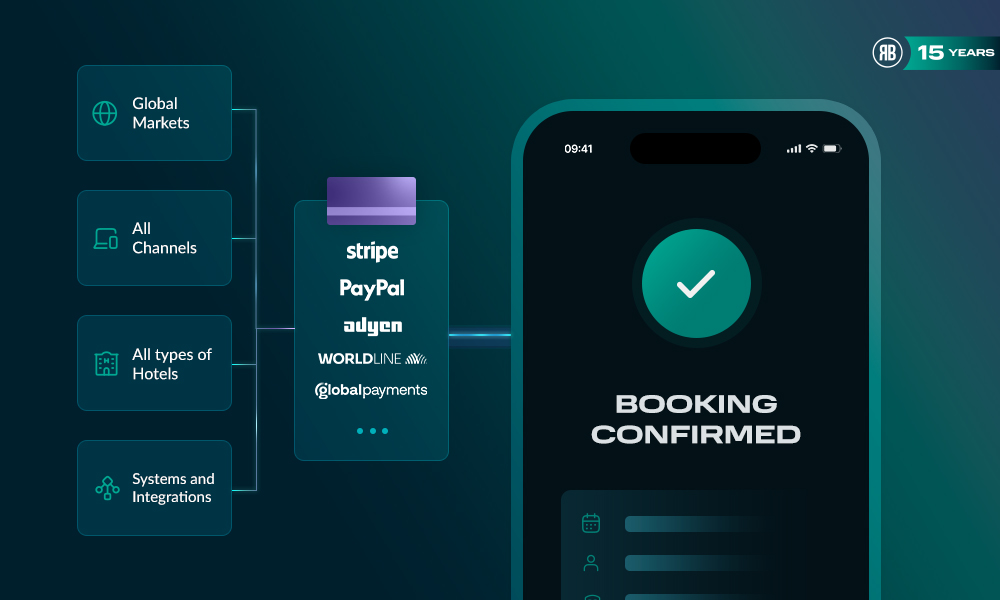
Reducing Friction: Payment as a Strategy for Conversion and Profitability
By
Roiback

News
Roiback Receives Its Sixth Consecutive Award as the World's Best Hotel Booking Solutions Provider
By
Roiback
News
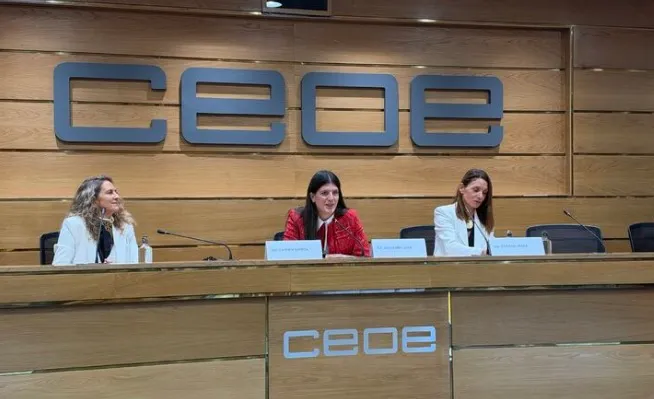
Roiback Participates in the Conference “The Balearic Islands: A Land of Opportunities for Strategic Projects” at the CEOE
By
Roiback


