
The Hotel Industry's New Commercial Freedom: How to Turn It Into Greater Profitability for the Direct Channel
News
October 23, 2026


Inés Santos | Spain & Portugal DCS Director at Roiback
The discussion about hotel distribution has traditionally revolved around price parity. Much of the hotels’ efforts were focused on monitoring prices, correcting discrepancies, and ensuring that the direct channel could compete on equal footing with other channels.
However, the landscape is changing. Recent regulatory changes in Europe resulting from the DMA (Digital Markets Act) give hotels greater freedom to define their commercial strategy and differentiate the terms they offer through their direct channel.
The real opportunity does not lie in competing on price. It lies in regaining the ability to decide how to compete, what value to offer, and how to build more sustainable profitability.
More freedom does not mean a price war
When we talk about free trade, it's easy to immediately think of discounts. However, the true scope of this change goes far beyond price.
OTAs remain key players in driving demand, with loyalty programs, promotional tools, and a massive capacity for marketing investment. Competition isn't going away, but hotels are gaining room to develop their own unique and differentiated offerings.
The question is no longer:
- How can I keep the cost of my website from going up?
And it becomes:
- How can I make my website the best option for booking?
That shift in mindset changes everything.
"The opportunity isn't in winning a price war, but in stopping competing solely on price."
The Real Opportunity: Regaining Decision-Making Authority
The main consequence of this new phase is not the possibility of lowering prices, but rather the need to decide how to compete and what value to offer.
The direct channel has often been used as a defensive tool. Its purpose was to protect price parity, contain distribution costs, or match the terms available through other channels.
Now there is an opportunity to make it much more strategic. Because when a hotel has more commercial freedom, it can decide:
- What value does it aim to provide?
- How you want to interact with your guests.
- What benefits does it offer its direct customers?
- How does it plan to differentiate its brand from other intermediaries?
In other words, the direct channel is no longer a reflection of distribution but has become a positioning tool.
From Price Management to Profitability Management
Much of the discussion surrounding hotel distribution continues to focus on a single variable: ADR. But two reservations with the same total amount do not always generate the same value for the hotel.
A direct reservation isn't just about revenue. It can also generate:
- A direct relationship with the guest.
- Firsthand, actionable data.
- More customization options.
- Higher probability of recurrence.
- Lower distribution costs.
Therefore, the conversation should shift from revenue management to managing the total value that each reservation brings to the business.
Beyond the revenue generated, the key lies in the value that each customer brings to the business. And that's where the direct channel makes a difference.
The Time to Reward Direct Bookings
The new commercial freedom opens up a particularly interesting opportunity: creating exclusive benefits for those who book directly.
We're not necessarily talking about aggressive discounts. We're talking about offering something that the guest perceives as valuable.
For example:
- Exclusive rates for members.
- Late check-out.
- Upselling.
- Travel insurance is included in the reservation.
- Benefits During Your Stay.
- Credits for use at the hotel.
- Accessories
- More flexible booking conditions without penalizing prepayment (travel credit)
The key is simple: when guests see a clear benefit to booking directly, their decision is no longer based solely on price
From Selling Rooms to Building Relationships
Perhaps the most important change is not a commercial one, but a conceptual one.
The most forward-thinking hotels have stopped viewing the direct channel as merely a sales channel and have turned it into a strategic asset.
Every direct reservation allows us to get to know the guest better, personalize future communications, build loyalty, and foster a relationship that goes far beyond a single stay.
That is why the true value of the direct channel lies not only in selling rooms commission-free. It lies in building a customer base of your own on which to build future growth.
Conclusion
Recent regulatory changes do not eliminate competition between hotels and OTAs, but they do give hotels greater freedom to decide how they want to compete.
The opportunity doesn't lie in being cheaper, but in using that freedom to create a value proposition that is more attractive to guests and more profitable for the business.
Because, ultimately, the true potential of the direct channel lies not just in selling a room. It lies in building a direct relationship with the guest, generating more value with every reservation, and creating a competitive advantage that no intermediary can fully replicate.
Do you want to make your direct booking channel the best option for your guests, without relying solely on price? Let's talk about how we can help you build a more profitable, sustainable, and distinctive strategy.
Read more
News
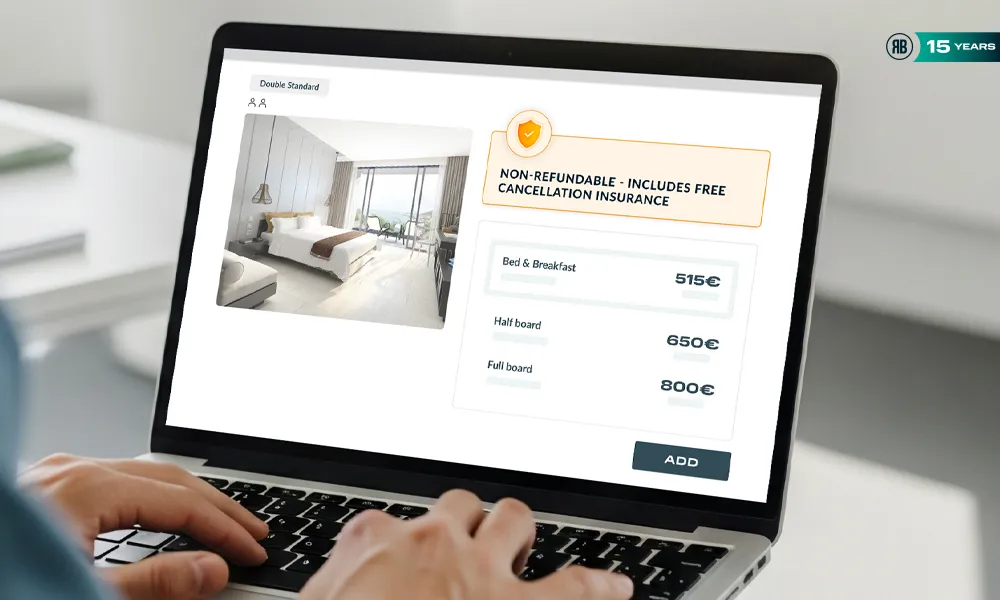
Protect Bookings to Drive Better Conversions: Safety as a New Driver for Direct Hotel Bookings
By
Francis Ferrer
News
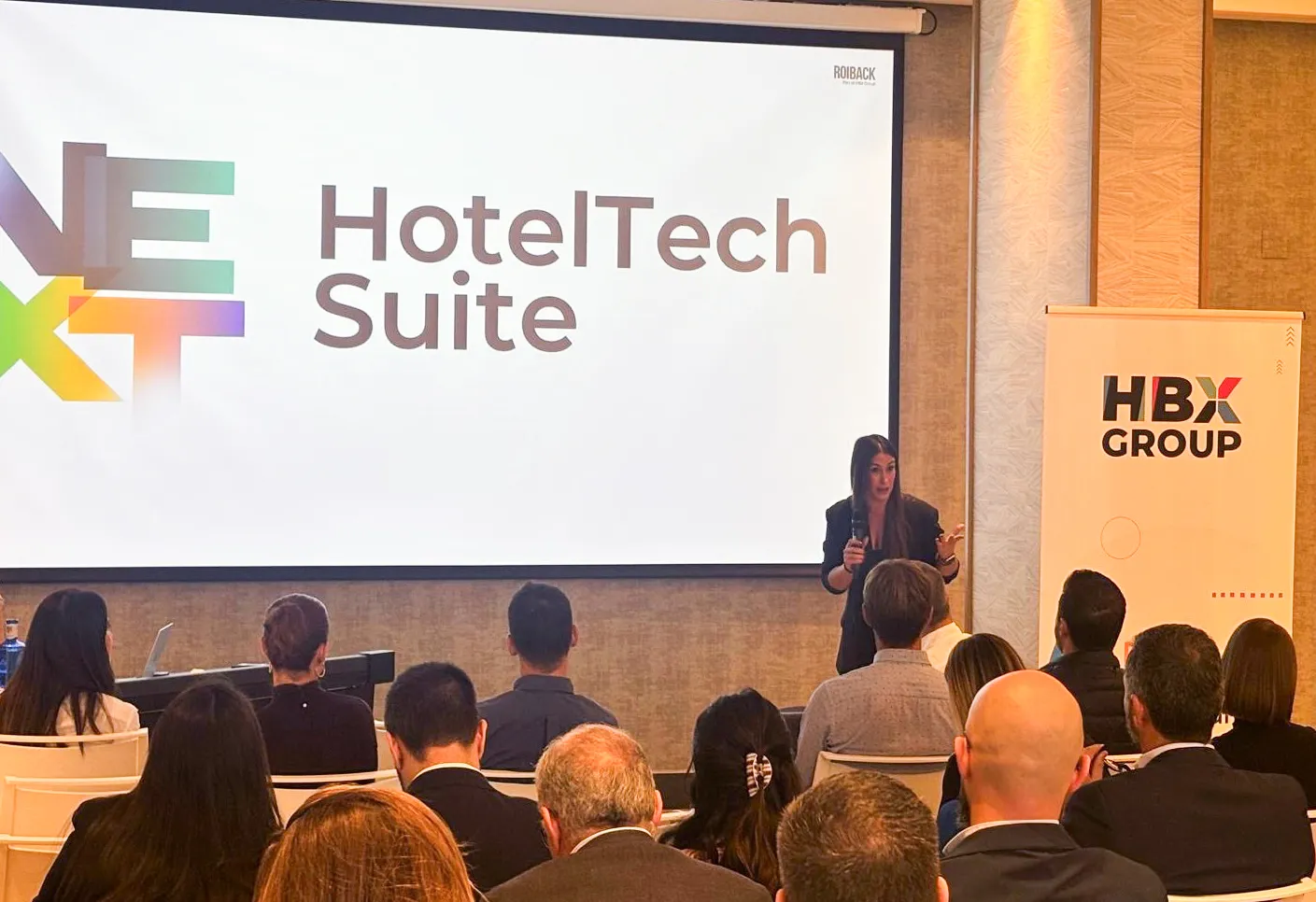
Roiback Next Madrid. The future of direct sales starts with the guest
By
Miguel González
News
Is your hotel using more energy and water than it should? 5 signs to help you find out
By
Roiback


