
Waste in hospitality: from operational control to circular strategy
News
February 20, 2026


Every day, hotels generate waste almost without guests noticing. Hotels, resorts, and tourist establishments generate multiple waste streams in areas such as kitchens, housekeeping, maintenance, and catering. Behind every experience, there is a complex operation that also has an environmental impact.
What used to be managed as a purely operational issue—taking out the trash, complying with collection, separating waste—is now part of a much broader conversation directly linked to regulatory compliance, ESG commitments, cost optimization, and brand positioning.
However, in many establishments, waste management still relies on manual records, scattered spreadsheets, or inconsistent records. This limits traceability, makes it difficult to compare data, and reduces the ability to implement effective reduction strategies, as well as preventing key questions from being answered:
- Where are we generating the most waste?
- At what times of the year?
- Are the measures we have implemented working?
What is not measured cannot be improved.
For a hotel manager, sustainability officer, or head chef, making decisions requires clear information. Without reliable data, it is difficult:
- Detect excesses in certain areas (e.g., food waste in the kitchen).
- Identify peaks associated with occupancy or events.
- Compare performance between different establishments within the group.
- Justify investments in reduction measures.
- Report progress on ESG frameworks or certifications.
- Set realistic and measurable circularity goals
In hotel chains or environments with multiple departments and teams, operational complexity increases the risk of inconsistencies. Digitization allows waste to be recorded as data from the point of generation, ensuring traceability and standardizing criteria across all departments and properties.
A partner for sustainability commitments
More and more hotels are facing ESG audits, certifications, and reports that require verifiable data. Having reliable, consolidated data reinforces transparency, facilitates compliance, and improves environmental governance, because it is no longer enough to simply declare commitments: it is necessary to demonstrate progress.
Having structured and traceable information facilitates:
- Respond to regulatory requirements.
- Comply with sustainability standards.
- Align daily operations with circular economy objectives.
- Improve transparency for customers and investors.
Record waste at the moment it is generated
Bioscore Waste Management Platform was created precisely to facilitate the work of operational teams and transform waste management into a simple and structured process.
The system allows waste to be recorded directly at the point of generation, using a streamlined process; this simple action, which takes just a few seconds, makes all the difference. It allows criteria to be standardized, errors to be reduced, and ensures that all departments record information in the same way.
The flexibility of the platform allows it to adapt to both independent hotels and large hotel chains, which means that data from different properties can be consolidated using the same methodology.
From "putting out fires" to anticipating them
When waste becomes structured data, the approach changes, and the platform enables:
- View generation by area, establishment, or type.
- Detect trends and seasonal peaks.
- Monitor key indicators.
- Compare results between hotels in the same group.
This facilitates the transition from reactive management, focused on compliance with collection, to proactive management. With clear information, teams can adjust orders, optimize internal processes, review menus, or redefine operating protocols to reduce waste generation at source.
In other words, it's about anticipating rather than reacting.
Making the invisible visible
Much of a hotel's environmental impact occurs "behind the scenes." Digitizing waste management helps to make this invisible part of the operation visible and move towards circular models. It is not just about technology, but about giving teams clear tools to improve. When waste ceases to be simply something that is removed and becomes data that is analyzed, it becomes an opportunity for optimization and learning.
Furthermore, it is a plus for your brand to be able to convey the message to your business customers who are concerned about and committed to sustainability, demonstrating the real impact of the different actions and involving the user in a commitment to the planet and to the company's tourism model.
For a sector seeking to integrate sustainability at the heart of its value proposition, solutions such as the Bioscore Waste Management Platform enable the transformation of daily management into a circular strategy with measurable results.
If you need advice on waste management, write to us and we will schedule a meeting with our partner Bioscore Sustainability, a sustainability consultant for tourism companies.
Read more

News
Roiback Receives Its Sixth Consecutive Award as the World's Best Hotel Booking Solutions Provider
By
Roiback
News
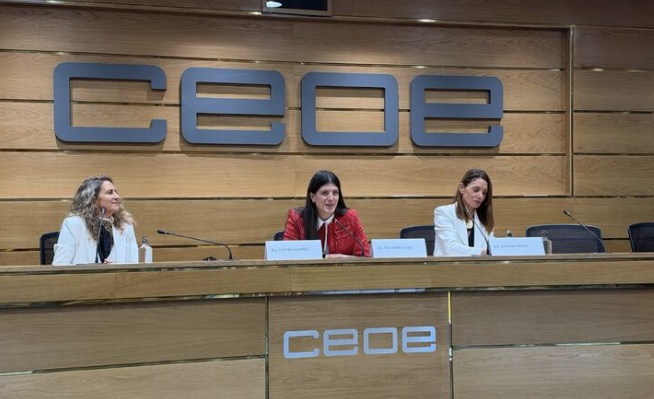
Roiback Participates in the Conference “The Balearic Islands: A Land of Opportunities for Strategic Projects” at the CEOE
By
Roiback
News
Roiback integrates DirectBooker to connect the direct channel with AI assistants
By
Roiback


