
World Environmental Education Day: how hotels can make a positive impact
News
January 26, 2026

Content in collaboration with our partner Bioscore Sustainability, sustainability consultancy for tourism companies.
January 26, World Environmental Education Day, is not just about talking about sustainability, but about how we learn to better relate to the environment we visit. In hospitality, that learning happens at very specific moments: when entering a room, participating in an activity, or discovering the destination from a new perspective. Environmental education does not need grand speeches. It works best when it is integrated naturally, closely, and understandably into the guest experience.
The role of hotels in environmental education
During a stay, people adopt routines that are different from their everyday ones. This change opens up a unique opportunity to introduce small gestures that invite reflection. Due to their activity and direct relationship with the environment, hotels can become spaces where more responsible habits are learned.
From internal management to customer interaction, there are multiple opportunities to raise awareness and educate, for example:
- Understanding why towel reuse is being proposed
- Knowing what happens to the waste that is generated
- Get to know the natural environment surrounding the hotel better
- Involving employees and local communities in environmental initiatives
When these decisions are explained clearly and without being pushy, guests don't feel like they're being "asked to do something," but rather that they're part of a shared experience.
Learning by doing: actions that connect with people
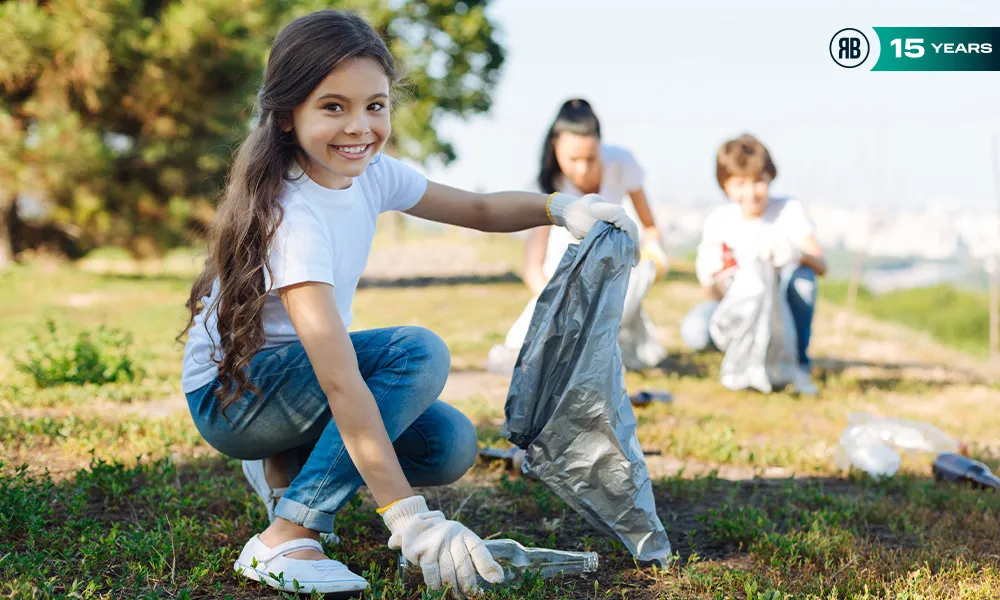
The most effective environmental education initiatives tend to have something in common: they invite participation. Activities such as beach or natural space cleanups allow employees, local communities, and, in some cases, guests to see firsthand the impact of waste on the environment. It's not just about picking up trash, but understanding where it comes from and what consequences it has. These experiences generate conversations, questions, and, often, a change in perspective that lasts beyond the trip.
Clear messages during your stay
Environmental education also occurs in the small details of everyday life within the hotel. The key is not to overwhelm guests with information, but to communicate the essentials clearly without affecting their comfort. Some common practices include:
- Short, understandable messages about water or energy use
- Clear instructions for separating waste
- Simple explanations of why certain measures are implemented
When guests understand the "why," they are more likely to get involved. The key is to speak the same language as people, avoiding technical or impersonal terms.
But communication is much more effective when we introduce objective data that supports our narrative, since customers in the digital age do not believe in vague messages; they seek consistency and authenticity.
Connection with the destination
Many travelers increasingly value getting to know the place they visit in a direct way. Environmental education can help create that connection:
- Sharing information about local biodiversity
- Proposing activities in contact with nature:
- Inviting reflection on how our actions affect destiny
These types of initiatives not only inform, but also enrich the travel experience and reinforce respect for the environment.
When children become protagonists
World Environmental Education Day is a particularly appropriate date for activities aimed at families, which are very common in vacation hotels. Children are usually the first to get excited and pass on what they have learned to their families.
Some common actions may include:
- Kids club activities focused on caring for the sea and nature
- Creative workshops with reused materials
- Small waste collections adapted to their age
- Simple gifts that reinforce the environmental message
These experiences not only educate, but also create memories associated with the trip.
Environmental education also begins within the team
Not everything happens in front of the customer. Many initiatives have more impact when employees themselves actively participate in them. Involve teams in environmental actions:
- Strengthens the sense of belonging
- Makes it easier for messages to reach guests more naturally
- Turn sustainability into something that is lived, not just communicated
When the people who work at the hotel believe in what they do, the message comes across as genuine.
Environmental education in the hotel industry is not about large-scale campaigns, but rather well-thought-out everyday experiences. Small moments that invite guests to see their surroundings with new eyes. Key ideas:
- People connect more with experiences than with generic messages.
- Explaining the "why" generates greater involvement.
- Engaging employees and guests makes the impact real.
- Memories of the trip can become lasting lessons.
Beyond a specific date, environmental education is an opportunity for hotels to become part of a more conscious, humane form of tourism that is connected to the places it visits.
How can these initiatives be measured and communicated?
For environmental education to form part of a solid strategy, it is essential to measure the impact of actions and communicate them transparently. Tools such as the Bioscore Data Platform from our partner Bioscore Sustainability allow hotels to record their initiatives, evaluate their sustainability performance, and highlight their efforts, facilitating clearer and more structured management.
Request a demo of the Bioscore Data Platform and centralize sustainability measurement and communication in your hotel.
Read more

News
Roiback Receives Its Sixth Consecutive Award as the World's Best Hotel Booking Solutions Provider
By
Roiback
News
Roiback Participates in the Conference “The Balearic Islands: A Land of Opportunities for Strategic Projects” at the CEOE
By
Roiback

News
Roiback integrates DirectBooker to connect the direct channel with AI assistants
By
Roiback


